Why Salem Homes Need a Different Roof Maintenance Schedule
Your 12-Month Roof Maintenance Calendar at a Glance
Spring Roof Maintenance Checklist: March to May
Summer Roof Maintenance: June to August
Fall Roof Maintenance Checklist: September to November
Winter Roof Care: December to February
When and How to Manage Roof Moss in Salem
How Often Should You Maintain Your Roof in Oregon?
What You Can Safely Check Yourself and When to Call a Roofer
Roof Warning Signs That Should Not Wait Until Next Season
Short answer: A roof care calendar for Salem should prioritize winter damage checks in spring, planned repairs during summer, gutter and drainage maintenance in fall, and leak monitoring throughout winter. Adjust your maintenance schedule according to roof age, moss growth, tree coverage, storm exposure, and the manufacturer’s care recommendations.
Waiting until water stains appear on your ceiling can turn a manageable roofing problem into an expensive repair. Following a seasonal roof maintenance checklist helps you identify warning signs earlier and prepare your home for changing weather conditions.
Why Salem Homes Need a Different Roof Maintenance Schedule
Salem’s wet winters and relatively dry summers create distinct roofing maintenance requirements.
According to the National Weather Service’s Salem climate records, the 1991 to 2020 normal precipitation is approximately 0.25 inches in July compared with 3.47 inches in October.
This seasonal difference makes summer a useful window for planned roofing work and early fall an important period for drainage preparation.
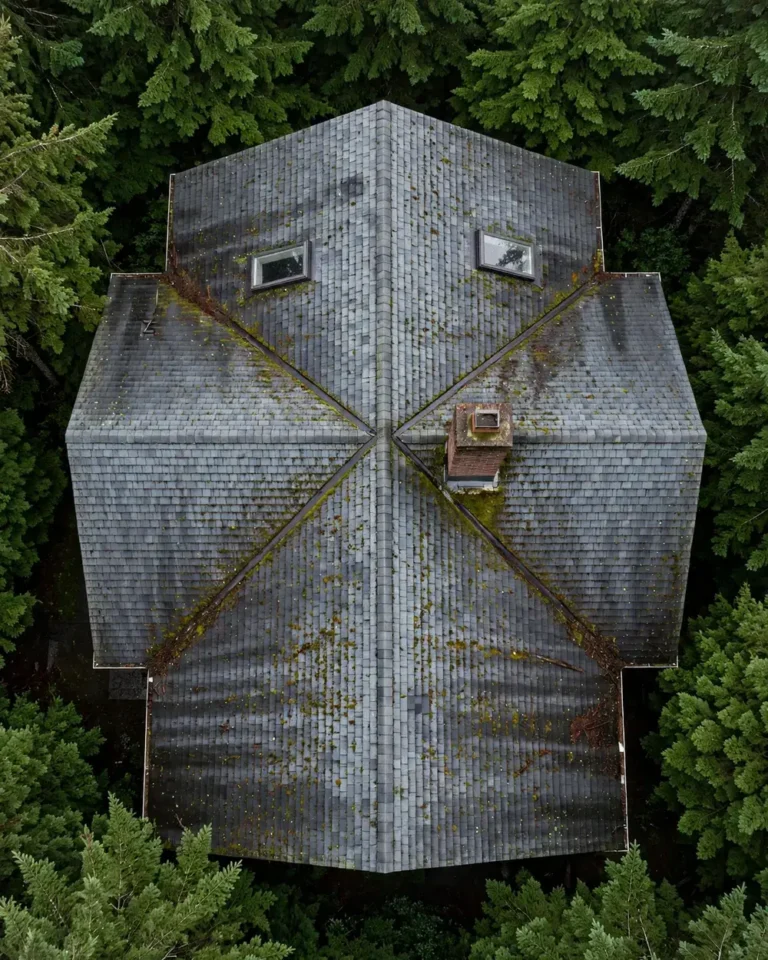
Throughout the Willamette Valley, damp conditions encourage moss growth, while mature oak and fir trees contribute leaves, needles, and debris that can obstruct roof drainage. Occasional freezing temperatures and winter storms introduce additional maintenance concerns.
Your roof maintenance schedule should reflect these local conditions rather than relying on annual cleaning alone.
Your 12-Month Roof Maintenance Calendar at a Glance
Use this calendar to organize preventive roof care throughout the year.
| Month | Maintenance Priority | Recommended Action |
|---|---|---|
| January | Leak monitoring | Check ceilings for stains and moisture. |
| February | Storm damage | Document visible damage after storms. |
| March | Winter recovery | Assess shingles, flashing, and drainage. |
| April | Moss management | Evaluate moss growth and debris accumulation. |
| May | Preventive repairs | Address problems identified during spring. |
| June | Wildfire preparation | Arrange removal of combustible debris. |
| July | Summer heat | Evaluate ventilation and material deterioration. |
| August | Planned repairs | Complete necessary work before autumn rain. |
| September | Rainy season preparation | Check flashing and drainage systems. |
| October | Falling leaves | Arrange gutter and roof valley maintenance. |
| November | Drainage monitoring | Recheck gutters and downspouts after leaf fall. |
| December | Winter protection | Monitor storm damage, leaks, and freezing conditions. |
These months represent suggested maintenance windows rather than mandatory service dates. Address active leaks, missing shingles, and significant storm damage promptly, regardless of the calendar.

Spring Roof Maintenance Checklist: March to May
Spring gives homeowners an opportunity to identify problems that developed during Oregon’s wet winter months.
March: Inspect Your Roof for Winter Damage
Observe your roof from ground level and look for missing shingles, uneven roofing surfaces, displaced flashing, and debris left behind by winter storms.
Inside your home, check ceilings and accessible indoor areas for new water stains or unusual moisture.
If you notice damaged roofing materials or possible water intrusion, arrange a professional roof inspection. Small openings around flashing or shingles can allow additional moisture into the roofing system during spring rainfall.
April: Address Moss, Debris, and Drainage Problems
Moss often becomes noticeable on shaded roof slopes following extended periods of damp weather.
Look for raised green patches, accumulated branches, and debris around roof valleys. These conditions can interfere with drainage and contribute to roofing deterioration.
Arrange appropriate moss treatment and roof cleaning when necessary. Avoid aggressive cleaning methods that can damage roofing materials.
May: Complete Necessary Roof Repairs
Use the improving weather to address concerns identified during your spring roof inspection.
Damaged shingles, deteriorated pipe boots, loose flashing, and moisture-related decking problems may require professional roof repair services.
Completing necessary repairs before summer can help prevent existing damage from becoming a larger problem when the next rainy season arrives.
Summer Roof Maintenance: June to August
Salem’s relatively dry summer weather provides favorable opportunities for planned maintenance, repairs, and roofing assessments.
June: Prepare Your Roof for Dry Weather and Wildfire Season
Roof valleys and gutters can collect dry leaves, fir needles, and other combustible debris.
The Oregon State Fire Marshal’s defensible space guidance recommends keeping these areas clear of combustible materials to reduce opportunities for wildfire embers to ignite a home.
Arrange safe debris removal before dry conditions intensify, particularly if trees surround your property.
Repeat the assessment whenever significant debris accumulates.
July: Check for Heat-Related Damage and Ventilation Issues
Summer heat and ultraviolet exposure contribute to the gradual weathering of roofing materials.
From the ground, look for visible shingle curling, cracking, or deterioration. If your upper floor becomes unusually hot or you suspect inadequate attic airflow, arrange a ventilation assessment.
A roofing professional can evaluate soffit vents, ridge vents, insulation, and other factors that influence attic conditions.
Avoid assuming that adding more vents will automatically solve every ventilation problem.
August: Schedule Repairs Before Fall Rain Arrives
Late summer is a useful time to complete planned repairs that require suitable installation conditions.
Review concerns involving flashing, worn shingles, damaged roof decking, or recurring leaks.
If your roofing system shows widespread deterioration, discuss repair and replacement options before autumn rainfall makes scheduling more challenging.
Do not postpone an active leak simply to wait for summer.
Fall Roof Maintenance Checklist: September to November
Fall is an important maintenance period for Salem homeowners because rainfall increases while leaves and needles accumulate around roof drainage systems.
September: Prepare Your Roof for Oregon's Rainy Season
Arrange an assessment of vulnerable roofing components, particularly flashing around chimneys, skylights, plumbing vents, and roof transitions.
These areas require effective water management because openings or deteriorated components can allow rainwater beneath roofing materials.
Confirm that previously identified roofing repairs are complete before wetter conditions arrive.
October: Manage Leaves, Fir Needles, and Clogged Gutters
If mature oak or fir trees surround your Salem home, debris may accumulate between scheduled gutter cleanings.
During rain, observe whether water spills over gutter edges, escapes through joints, or collects near downspout outlets.
Overflow can indicate blockages, drainage problems, or inadequate gutter capacity.
Arrange professional cleaning or repairs where necessary. Keep roof valleys clear so rainwater can move toward the drainage system without unnecessary obstructions.
November: Recheck Roof Drainage Before Winter
A gutter system that was clear in September may contain significant debris by November.
Recheck drainage after substantial leaf fall or heavy rainfall. Look for overflowing gutters, detached sections, and water collecting near your home’s foundation.
Arrange additional maintenance based on actual conditions rather than assuming one fall cleaning will remain sufficient throughout winter.
Winter Roof Care: December to February
Winter roof maintenance should focus on safe observations, early leak detection, and storm response.
Avoid climbing onto wet, icy, or storm-damaged roofing surfaces.
December: Monitor Your Roof During Heavy Rain and Freezing Weather
Wind-driven rain can expose weaknesses around damaged shingles, flashing, and roof penetrations.
After severe weather passes, observe your roof from a safe location for displaced materials, fallen branches, or unusual changes in the roofline.
During occasional freezing conditions, watch for ice accumulation near roof edges. Do not attempt to chip ice from roofing materials.
Contact a roofing professional if you suspect ice-related damage or water intrusion.
January: Watch for Leaks and Attic Moisture
Check ceilings, upper walls, and safely accessible indoor areas for discoloration, peeling paint, dampness, or musty odors.
These symptoms may indicate roof leaks, condensation, or another moisture problem.
Record when the symptoms appear. For example, moisture that develops during wind-driven rain may help a contractor investigate potential entry points.
Do not assume every ceiling stain originates directly above the affected area.
February: Document Storm Damage and Plan Spring Maintenance
Photograph visible roofing damage from the ground and record relevant storm dates.
If you suspect an active leak, missing shingles, or damaged flashing, arrange an assessment promptly.
For nonurgent maintenance concerns, use your observations to prepare a spring roof maintenance checklist. This helps you prioritize necessary work rather than paying for services your roof may not need.
When and How to Manage Roof Moss in Salem
Moss management deserves particular attention in the Willamette Valley because persistent shade and moisture create favorable growing conditions.
Moss vs. Algae: Understanding the Difference
Not every discolored roof needs the same treatment.
| Roofing Concern | Moss | Algae |
|---|---|---|
| Appearance | Raised, often green growth | Dark streaks or discoloration |
| Common location | Shaded and damp roof sections | Moisture-exposed surfaces |
| Primary concern | Potential interference with shingle performance | Generally aesthetic on asphalt roofing |
| Recommended action | Condition-based assessment and treatment | Manufacturer-approved cleaning if desired |
Dark streaks alone do not establish that your asphalt shingle roof needs replacement.
When Does Your Roof Need Moss Treatment?
Spring provides a useful opportunity to evaluate moss growth after winter. However, treatment timing depends on the roofing material, weather conditions, extent of growth, and product instructions.
According to Oregon State University Extension’s roof moss guidance, changing the conditions that support moss growth is important for long-term management.
Reducing excessive shade where practical and arranging appropriate debris removal may help limit recurrence.
Heavily shaded roofs may require more frequent attention than roofs that receive direct sunlight.
Roof Cleaning Methods That Can Damage Your Shingles
Avoid pressure washing asphalt shingles. The Asphalt Roofing Manufacturers Association warns that high-pressure washing can damage asphalt roofing.
Aggressive scraping and incompatible cleaning chemicals may also harm roofing materials.
Use methods approved by your roofing manufacturer, and leave work requiring roof access to trained professionals.
How Often Should You Maintain Your Roof in Oregon?
Spring and fall provide useful inspection windows, but maintenance frequency should reflect your roof’s actual condition.
The Asphalt Roofing Manufacturers Association’s inspection guidance recommends professional inspections during spring and fall.
Additional checks may be appropriate following storms or when visible problems develop.
Adjust Your Schedule for Roof Age, Shade, and Tree Coverage
| Roof Condition | Recommended Maintenance Approach |
|---|---|
| Newer roof with limited tree coverage | Routine seasonal checks and manufacturer guidance |
| Roof beneath mature trees | Additional debris and drainage checks |
| Heavily shaded roof | More frequent moss observations |
| Older asphalt shingle roof | Professional assessments based on deterioration |
| Recently repaired roof | Monitor previously damaged areas |
| Storm-exposed property | Additional checks after severe weather |
A maintenance schedule should identify necessary work, not automatically require roof cleaning every month or year.
Maintenance Requirements for Different Roofing Materials
| Roofing Material | Main Maintenance Concerns |
|---|---|
| Asphalt shingles | Missing shingles, moss, curling, and excessive granule loss |
| Metal roofing | Flashing, seams, protective coatings, and exposed fasteners where present |
| Cedar shakes | Moisture, biological growth, and wood deterioration |
| Low-slope roofing | Drainage outlets, membrane damage, and persistent standing water |
Follow the specific maintenance instructions for your roofing system. Cleaning methods suitable for one material may damage another.
What You Can Safely Check Yourself and When to Call a Roofer
You do not need to climb onto your roof to maintain awareness of its condition.
| Safe Homeowner Observations | Professional Roofing Work |
|---|---|
| Visible missing shingles | Shingle replacement |
| Ceiling water stains | Leak diagnosis and repair |
| Visible moss accumulation | Appropriate moss treatment |
| Overflowing gutters | Roof-height gutter cleaning and repairs |
| Visible storm damage | Detailed roofing assessments |
| Nearby hazardous branches | Safe removal by qualified professionals |
Use binoculars from ground level when necessary and keep records of visible changes.
Before hiring someone for roofing maintenance or repairs, learn how to check and compare a roofer in Oregon to verify contractor credentials and evaluate written estimates.
Roof Warning Signs That Should Not Wait Until Next Season
A roof maintenance calendar helps organize preventive care, but some problems require attention outside your scheduled maintenance window.
| Priority | Warning Signs | Recommended Action |
|---|---|---|
| Routine monitoring | Minor algae discoloration without other symptoms | Continue monitoring. |
| Arrange an assessment soon | Recurring moss, curling shingles, repeated gutter overflow, or suspected flashing deterioration | Schedule a professional assessment. |
| Prompt professional attention | Active leaks, missing shingles, exposed decking, or significant storm damage | Contact a roofing contractor promptly. |
| Immediate safety concern | A sagging roofline, potential structural collapse, or a severely damaged ceiling | Leave the affected area and seek appropriate emergency assistance. |
If water enters your home near electrical fixtures or wiring, keep away from the affected area and seek qualified assistance.
Never allow a routine maintenance date to delay necessary emergency action.
Can Regular Roof Maintenance Help You Avoid Costly Repairs?
Preventive roof maintenance can help identify deterioration before it develops into more extensive roofing or interior damage.
For example, addressing damaged flashing may help prevent water from reaching roof decking and insulation. Maintaining effective drainage can reduce problems associated with overflowing gutters.
However, maintenance cannot reverse every form of roofing deterioration.
When Maintenance Is No Longer Enough
An aging roof with widespread shingle damage, recurring leaks, or extensive structural deterioration may require residential roof replacement rather than continued cleaning or isolated repairs.
If repeated repairs no longer resolve the underlying problems, compare your options with a qualified roofing contractor.
Understanding the factors that affect roof replacement cost can also help you prepare a realistic budget for future work.
Keep Roof Maintenance Records and Plan Your Budget
Maintain a simple record of inspection dates, roofing photographs, completed repairs, cleaning services, and contractor recommendations.
Retain manufacturer instructions and applicable warranty documents.
These records can help you track recurring problems, prioritize expenses, and demonstrate completed maintenance when relevant to warranty requirements.
Use your annual roof maintenance checklist to plan preventive expenses while keeping room in your budget for unexpected repairs.
Frequently Asked Questions
Spring and fall are important inspection periods. Spring helps identify winter damage, while fall prepares your roof for wetter weather. Summer often provides suitable conditions for planned repairs.
Spring and fall professional inspections are a useful starting point. Older roofs, heavily shaded properties, recurring leaks, and significant storm exposure may justify additional assessments.
Spring is a useful time to evaluate moss growth, but treatment timing depends on roofing conditions, weather, material specifications, and manufacturer-approved treatment instructions.
Yes. High-pressure washing can damage asphalt shingles and their protective surface. Use manufacturer-approved cleaning methods and arrange professional assistance when roof access is necessary.
Yes. New roofs still require routine observations, debris management, effective drainage, and maintenance consistent with manufacturer instructions. Retain documentation and address emerging problems promptly.