How Much Does a Roof Replacement Cost in Salem, Oregon?
Average Roof Replacement Cost by Roof Size
Roof Replacement Cost per Square Foot
9 Factors That Affect Roof Replacement Cost in Salem
Roof Replacement Cost by Roofing Material
How Salem’s Climate and Local Building Requirements Affect Roofing Costs
Unexpected Expenses That Can Increase Your Roofing Budget
Why Do Similar-Sized Homes Receive Different Roof Replacement Quotes?
Roof Repair vs. Replacement: Which Is More Cost-Effective?
What Should a Roof Replacement Estimate Include?
How to Reduce Roof Replacement Costs Without Sacrificing Quality
Roof replacement cost in Salem, OR, depends on your roof’s size, pitch, roofing materials, labor requirements, and the condition of the existing structure. Hidden moisture damage, deteriorated decking, and additional installation requirements can also increase the final price.
Replacing your roof is a significant investment. Understanding what goes into a roofing estimate can help you establish a realistic budget, compare contractor proposals, and avoid unexpected expenses.
How Much Does a Roof Replacement Cost in Salem, Oregon?
According to 2026 local roofing cost estimates, replacing a 2,000 square foot roof in Salem with architectural asphalt shingles costs approximately $7,800 to $16,300, including the removal of existing roofing materials.
Premium roofing materials, steep slopes, complex designs, and structural repairs can increase this amount.
Budgeting note: These figures are market estimates for budgeting purposes, not guaranteed contractor prices.
Average Roof Replacement Cost by Roof Size
Roofing contractors calculate material and labor requirements using the actual roof surface area rather than the interior square footage of your home.
The following table illustrates estimated costs based on the published architectural shingle replacement rate of approximately $3.90 to $8.15 per square foot.
| Roof Surface Area | Roofing Squares | Estimated Replacement Cost |
|---|---|---|
| 1,000 sq. ft. | 10 | $3,900 to $8,150 |
| 1,500 sq. ft. | 15 | $5,850 to $12,225 |
| 2,000 sq. ft. | 20 | $7,800 to $16,300 |
| 2,500 sq. ft. | 25 | $9,750 to $20,375 |
| 3,000 sq. ft. | 30 | $11,700 to $24,450 |
These illustrative estimates assume comparable installation conditions. Actual prices may vary because roofing expenses do not always increase proportionally with roof size.
Roof Replacement Cost per Square Foot
Roofing contractors commonly measure roofs in roofing squares. One roofing square equals 100 square feet of roof surface.
Based on the local pricing example above, architectural shingle replacement costs approximately $390 to $815 per roofing square.
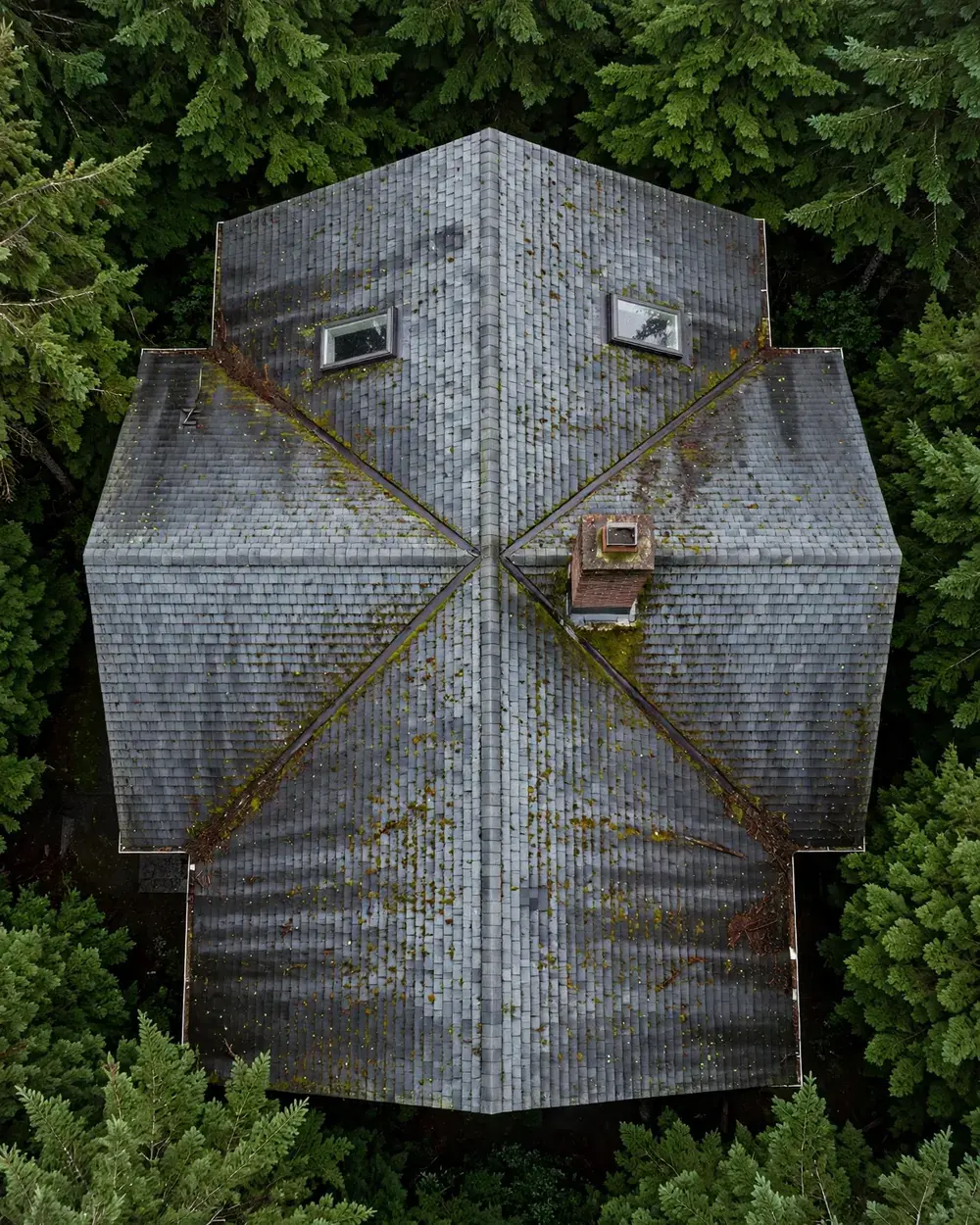
Roof pitch, overhangs, attached garages, and architectural features can make your roof surface considerably larger than your home’s interior floor area. Accurate roof measurements are therefore essential for reliable pricing.
9 Factors That Affect Roof Replacement Cost in Salem
Understanding these factors helps explain why roofing estimates vary between properties and contractors.
1. Roof Size and Surface Area
Larger roofs require more shingles, underlayment, fasteners, installation labor, and debris removal.
Contractors must measure every roof section, including slopes, overhangs, and attached structures, to determine accurate material quantities.
A larger roof generally increases the project cost, although installation complexity and material selection also influence the final estimate.
2. Roof Pitch and Design Complexity
Steep roofs require additional safety precautions, specialized equipment, and more careful material handling.
Architectural features such as dormers, valleys, chimneys, skylights, and multiple roof slopes also increase installation complexity. These areas require additional cutting, flashing, and waterproofing.
A simple gable roof typically costs less to replace than a roof with several intersecting slopes and penetrations.
3. Choice of Roofing Materials
Your choice of roofing material directly affects the initial investment and long-term maintenance expenses.
Standard asphalt shingles generally offer lower upfront costs. Architectural shingles provide a thicker construction and dimensional appearance, while metal roofing systems typically require a larger initial investment.
Consider durability, weather resistance, maintenance requirements, and product warranty terms alongside material prices.
4. Labor and Installation Costs
Roof replacement labor costs depend on the roofing system, installation difficulty, crew requirements, and project duration.
Contractors also account for equipment, insurance, safety measures, and property protection.
When comparing estimates, check whether each contractor includes the same installation components and scope of work. A lower quote does not necessarily represent better value if it excludes essential roofing work.
5. Existing Roof Removal and Disposal
Removing old shingles involves labor, debris handling, transportation, and disposal fees.
Properties with multiple roofing layers usually require more removal work than homes with a single layer. Restricted property access can further increase these expenses.
A complete roof tear-off also gives contractors access to the underlying decking, allowing them to identify damage before installing the new roofing system.
6. Roof Decking Condition and Hidden Damage
Roof decking provides the foundation for your roofing materials.
Persistent leaks and moisture exposure can weaken plywood or oriented strand board (OSB) sheathing. In some cases, contractors cannot identify the full extent of the damage until they remove the existing shingles.
Replacing deteriorated decking increases material and labor expenses, but it provides a suitable surface for the new roof.
Ask your contractor how they price additional decking replacement before work begins.
7. Underlayment, Flashing, and Ventilation
A complete roofing system consists of more than shingles or metal panels.
Underlayment, drip edges, flashing, pipe boots, ridge caps, and ventilation components help protect your home against water intrusion and moisture accumulation.
Replacing worn components or correcting inadequate attic ventilation can increase the initial cost. However, these measures help protect the performance of your new roofing system.
8. Roof Accessibility and Safety Requirements
Multistory homes, narrow driveways, limited equipment access, and nearby landscaping can make roof replacement more challenging.
Contractors may need additional equipment and labor to transport materials, remove debris, and protect surrounding property.
These logistical requirements can increase installation time and total project expenses.
9. Seasonal Demand and Material Availability
Roofing material prices, supplier availability, contractor schedules, and weather conditions can influence replacement costs.
Salem’s extended rainy periods can also affect installation schedules and the number of suitable working days.
Planning your replacement before significant roof damage occurs gives you more time to compare estimates, select materials, and arrange a suitable installation date.
Roof Replacement Cost by Roofing Material
Different roofing systems offer different levels of affordability, durability, weather resistance, and maintenance requirements. ### Asphalt Shingle Roof Replacement
Asphalt shingle roofing is generally an economical option for residential properties.
Three-tab shingles typically have lower upfront costs, while architectural shingles offer enhanced visual appeal and generally greater durability.
For Salem homeowners, proper underlayment, flashing, and ventilation remain important regardless of the shingle type.
Metal Roof Replacement
Metal roofing systems typically cost more than asphalt shingles because of their material prices and specialized installation requirements.
Exposed fastener metal panels generally offer a lower initial price than standing seam systems. However, exposed fasteners require periodic inspection and may need maintenance over time.
Standing seam metal roofing uses concealed fasteners and offers a durable alternative for homeowners seeking long-term performance.
| Roofing Material | Relative Upfront Cost | Key Consideration |
|---|---|---|
| Three-tab asphalt shingles | Lower | Budget-friendly installation |
| Architectural shingles | Moderate | Balance of affordability and durability |
| Exposed fastener metal | Higher | Periodic fastener maintenance |
| Standing seam metal | Premium | Long-term performance and concealed fasteners |
The best roofing material depends on your budget, roof design, product specifications, and how long you plan to remain in your home.
How Salem's Climate and Local Building Requirements Affect Roofing Costs
Heavy Rainfall, Moss, and Moisture Damage
Salem’s location in the Willamette Valley exposes residential roofs to prolonged periods of rainfall and damp conditions.
Shaded roof surfaces can develop moss growth, while damaged flashing and deteriorated roofing materials may allow moisture to penetrate the underlying structure.
During replacement, contractors may discover water-damaged sheathing, deteriorated flashing, or moisture-related attic problems that require additional attention.
Addressing these conditions and installing a roofing system suitable for the Pacific Northwest can help prevent premature deterioration and costly future repairs.
Roofing Permits and Oregon Building Codes
Not every residential roof replacement in Salem requires a building permit.
The City of Salem’s permit exemption guidelines provide an exemption for certain reroofing projects subject to specified structural load limitations.
However, structural modifications or work outside the applicable exemption may require a permit.
Confirm the requirements with your roofing contractor and the appropriate building department before starting the project. Properties outside Salem’s city limits may fall under a different jurisdiction in Marion or Polk County. Any applicable permit fees and required structural work should appear in your roofing estimate.
Unexpected Expenses That Can Increase Your Roofing Budget
Even a detailed initial estimate may not account for damage concealed beneath your existing roofing materials.
Understanding potential additional expenses helps you prepare financially before installation begins.
| Potential Additional Expense | When It May Increase Costs |
|---|---|
| Roof decking replacement | Contractors discover damaged or deteriorated sheathing. |
| Additional roof tear-off | Existing roofing contains more layers than anticipated. |
| Structural repairs | Supporting roof components require repair. |
| Flashing replacement | Existing flashing requires work beyond the original scope. |
| Ventilation improvements | Existing attic ventilation needs correction. |
Ask which expenses the original proposal includes and how the contractor handles unforeseen repairs.
A written change order should document additional work and its associated cost before the contractor proceeds.
Why Do Similar-Sized Homes Receive Different Roof Replacement Quotes?
Two homes with identical roof surface areas can have significantly different installation requirements.
Consider the following hypothetical roofing projects in Salem.
| Cost Factor | Home A | Home B |
|---|---|---|
| Roof surface area | 1,500 sq. ft. | 1,500 sq. ft. |
| Roof pitch | Moderate | Steep |
| Roof design | Simple gable | Multiple valleys |
| Existing roofing layers | Single layer | Multiple layers |
| Decking condition | Sound | Moisture damage |
| Roof accessibility | Easy | Restricted |
| Relative replacement cost | Lower | Higher |
Home B requires additional removal work, decking repairs, safety precautions, and installation labor.
Although both roofs have the same surface area, their total replacement costs differ because of the work involved.
This is why a property-specific roofing estimate provides a more accurate budget than an online calculator alone.
Roof Repair vs. Replacement: Which Is More Cost-Effective?
Professional roof repair may be the more economical option when damage affects a limited area and the remaining roofing system is in good condition.
However, complete replacement may offer better long-term value when a roof has widespread deterioration, recurring leaks, extensive material damage, or limited remaining service life.
Consider your roof’s age, general condition, repair history, and anticipated future maintenance costs. A professional roof inspection can help determine whether targeted repairs or a complete replacement makes better financial sense for your property.
What Should a Roof Replacement Estimate Include?
A detailed written estimate helps you understand the total project cost and compare roofing contractors fairly.
Before accepting a proposal, check that it clearly identifies:
- Actual roof measurements and material quantities.
- Roofing material brand, type, and specifications.
- Labor and installation charges.
- Existing roof removal and debris disposal.
- Underlayment, flashing, and ventilation components.
- Unit pricing for additional decking repairs.
- Applicable permit fees.
- Project schedule and payment terms.
- Available material and workmanship warranties.
- Procedures for approving additional work.
You should also verify the contractor’s license through the Oregon Construction Contractors Board (CCB). Our guide to checking a roofer in Oregon walks through the steps.
Review the contractor’s licensing status, insurance information, and available complaint history before making a decision.
Comparing the complete scope of work helps you avoid choosing a proposal based solely on its advertised price.
How to Reduce Roof Replacement Costs Without Sacrificing Quality
You can manage your roofing budget without compromising essential installation requirements.
- Plan replacement early: Address an aging roof before recurring leaks cause extensive structural damage.
- Compare itemized estimates: Evaluate materials, labor, removal, and installation components consistently.
- Choose suitable roofing materials: Select a roofing system that balances your budget with local weather conditions.
- Ask about scheduling flexibility: Contractor availability may create opportunities for more convenient or competitive pricing.
- Avoid unnecessary upgrades: Prioritize functional improvements over purely cosmetic additions.
- Confirm additional repair costs: Understand how the contractor charges for unforeseen damage.
Never reduce costs by ignoring deteriorated decking or excluding necessary flashing, underlayment, and ventilation components.
Proper installation helps protect your investment and reduces the risk of expensive roofing problems in the future.
Frequently Asked Questions
Using published 2026 local architectural shingle pricing as a guide, a 1,500 square foot roof replacement may cost approximately $5,850 to $12,225 under comparable installation conditions. Roof complexity and additional repairs can affect the final estimate.
Local 2026 estimates place architectural shingle replacement for a 2,000 square foot roof in Salem between $7,800 and $16,300. Premium materials, structural damage, and complicated installation requirements may increase the total cost.
Roofing materials and installation labor generally account for substantial portions of the project cost. Premium materials, extensive decking replacement, and complicated removal work can also significantly increase expenses.
Periods of lower contractor demand may offer competitive pricing or greater scheduling flexibility. However, Salem’s wet winter conditions can complicate installation. No particular season guarantees the lowest roofing price.
Homeowners insurance may cover roof damage resulting from a covered event, such as a windstorm or falling tree. Most policies exclude normal aging, wear, and neglected maintenance. Review your policy’s coverage, exclusions, and deductible before filing a claim.